






















Cabo Verde Fast Ferry: The idea behind ending Brava’s isolation and the philosophy behind spending the night on the island
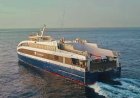
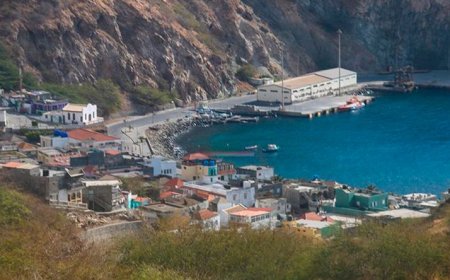
When Cabo Verde Fast Ferry entered the national maritime transport scene, one of the major expectations associated with the project was that it would help create a new reality for inter-island mobility. For Brava, an island historically marked by isolation and limited maritime connections, the arrival of a new generation of vessels represented much more than the introduction of a fast ferry: it represented the hope for a paradigm shift.
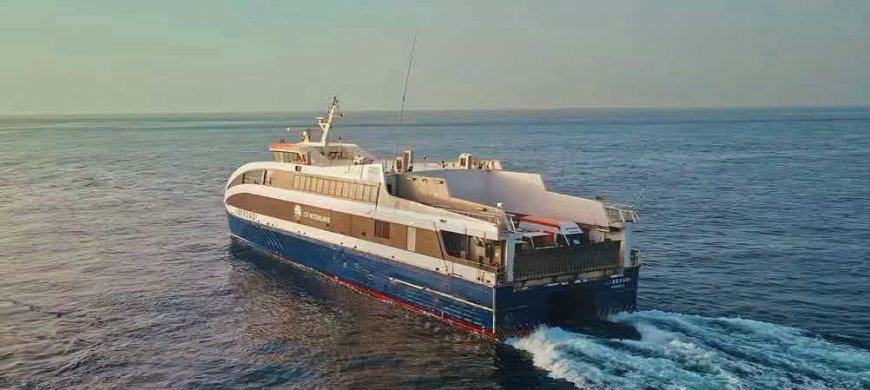
The question we face today is simple, yet profound: what, after all, was the philosophy behind the idea of connecting Brava through modern maritime transport?
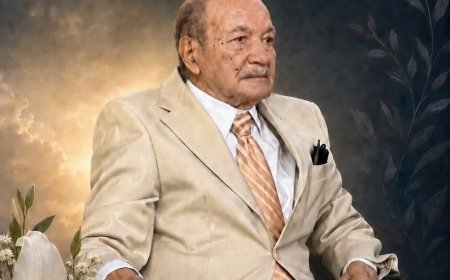
And, in particular, what does Andy Andrade, the founder of Cabo Verde Fast Ferry, think today as he looks at the current reality on Brava, seeing the island once again facing growing challenges with maritime transportation?
It is important to remember that, for an island like Brava, maritime transportation cannot be analyzed solely as a commercial issue. It is not simply a matter of knowing how many trips a ship makes, how long it takes, or what the cost of a ticket is. It is a matter of development, territorial cohesion, and, above all, equal opportunities among citizens living in different parts of the same country.
It was precisely in this context that the overnight stay in Brava gained importance.
A ship that arrives in Brava and stays overnight on the island is not merely a vessel moored for the night. It represents the possibility of setting out on a voyage early the next day, of coming to the aid of the population in case of an emergency, of ensuring greater predictability in service schedules, and of creating a more permanent relationship between the maritime transport system and the island itself.
For a remote island, the ship’s location overnight can determine whether or not there will be a connection the following day.
And this is an issue that deserves serious discussion.
If the initial philosophy was to bring the smaller islands closer to the major centers, reduce isolation, and create greater predictability in travel, does removing the requirement for an overnight stay in Brava not mean, in practice, pushing the island further away from the center of the system?
Of course, there are operational, financial, meteorological, and logistical issues that need to be considered. A maritime transport company needs to manage costs, crews, maintenance, schedules, demand, and profitability. It would be unreasonable to ignore these constraints.
But it would also be unreasonable to view Brava solely through the lens of a spreadsheet.
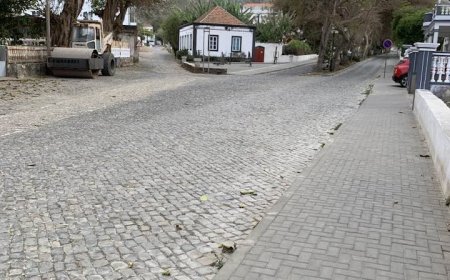
Brava is not simply another port on a shipping route. It is an island community with specific needs, with a population that depends on maritime transport to study, work, handle administrative matters, receive goods, travel to other islands, and maintain family and economic ties.
When a connection is canceled or when a ship does not stay overnight on the island, the consequences are not the same as those of a schedule change on a route between major urban centers. On Brava, an operational change can mean losing an entire day, rescheduling a doctor’s appointment, postponing a trip, missing a flight, or facing additional expenses.
That is why it may be legitimate today to ask a question of the man who founded Cabo Verde Fast Ferry:
When you conceived this project, did you view Brava merely as a stopover or as one of the islands that should be effectively integrated into the new national maritime transport system?
The question takes on even greater relevance because there is a kind of paradox.
Transportation technology has evolved. Ships are faster. The capacity for inter-island connections has increased. The discourse on territorial integration continues. But for many residents of Brava, the feeling is that the reliability and predictability of these connections still fall far short of those promises.
And perhaps this is where we should go back to the beginning.
What was the goal of creating Cabo Verde Fast Ferry?
Was it simply to put fast boats on the water? Or was it possible to transform the way Cape Verde gets around, while also bringing the smaller, more vulnerable islands closer together?
Given that the second objective was part of the original vision, the debate over spending the night on Brava cannot be treated as a secondary issue.
Staying overnight on Brava means recognizing that the island is part of the network and not just part of the route.
It means integrating Brava into the system’s operational framework, rather than forcing the people of Brava to constantly adapt their lives to the needs of an operation designed from other centers.
Today, with the dissolution of the CVFF, the project’s mentor may be in a unique position to observe what worked, what didn’t work, and what was lost along the way.
It might be interesting to ask him whether, looking at the current situation, he believes the project’s original philosophy is still alive.
And, above all, whether he believes that the overnight stay on Brava should once again be understood as part of a strategy for the island’s integration and not simply as an operational decision.
This does not need to be a partisan discussion. Nor should it turn into a personal dispute. It is a discussion about the development model we want for the small islands.
Because bringing Brava out of isolation doesn’t just mean building roads, improving the port, or increasing the speed of the boats. It means ensuring that someone on Brava can plan their trip with the same confidence as someone on another island.
It means knowing that there will be a boat, that there will be a schedule, that service will be consistent, and that the system was designed with those living on the outermost parts of the archipelago in mind.
Cabo Verde Fast Ferry was founded with the goal of modernizing Cape Verdean maritime transport. Today, given the difficulties Brava is once again facing, perhaps it is time to revisit that idea.
Not necessarily to assign blame, but to seek answers.
What happened to the philosophy of bringing Brava out of isolation? And what does the man who conceived that vision think today, seeing the island once again facing growing maritime transport problems and the lack of regular overnight service?
Perhaps the answers to these questions can help Cape Verde understand whether it is merely operating inter-island ferries or whether it is truly building a national transportation network capable of serving all Cape Verdeans.
Because, for Brava, maritime transport has never been just transportation.
It is a connection. It is an opportunity. It is development. And, in many ways, it is the very condition that prevents the island from becoming isolated again.
MS